
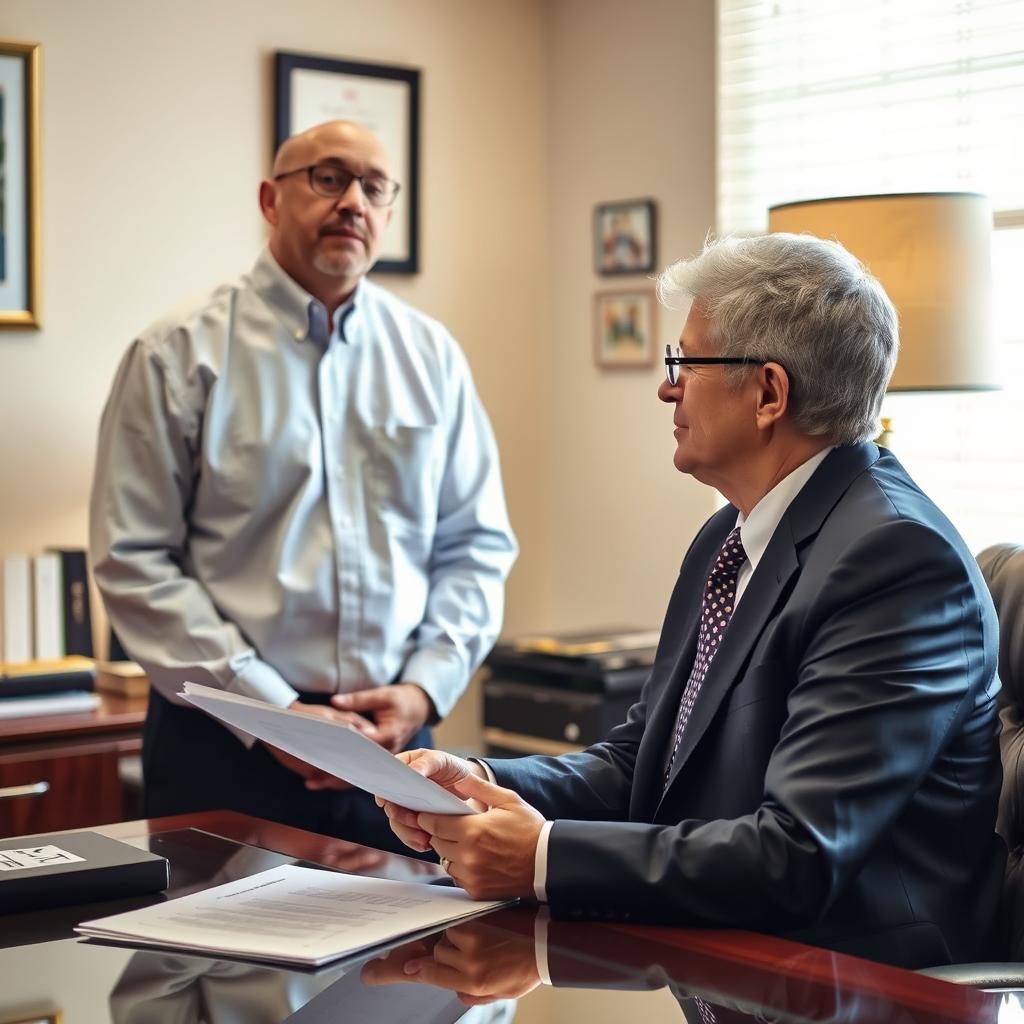
Special Needs Trust Lawyer Bedford County
A Special Needs Trust Lawyer Bedford County helps protect public benefits for disabled individuals. Law Offices Of SRIS, P.C. —Advocacy Without Borders. These trusts preserve eligibility for SSI and Medicaid while supplementing care. Drafting requires strict adherence to Virginia statutes and federal guidelines. A Bedford County lawyer ensures the trust is properly funded and administered. (Confirmed by SRIS, P.C.)
Statutory Definition of Special Needs Trusts in Virginia
Virginia law authorizes special needs trusts under Va. Code § 64.2-779.13, which are classified as discretionary supplemental needs trusts with no maximum penalty but strict fiduciary duties. This statute incorporates the Uniform Trust Code and provides the framework for creating a valid trust that does not count as a resource for means-tested government benefits. The primary purpose is to supplement, not replace, benefits like Supplemental Security Income (SSI) and Medicaid. A Special Needs Trust Lawyer Bedford County must ensure the trust instrument includes specific language mandated by both state and federal law. The trustee has absolute discretion over distributions, which is the key feature protecting benefit eligibility. Failure to draft the trust correctly can result in disqualification from essential programs.
What is the primary legal code governing special needs trusts in Virginia?
Va. Code § 64.2-779.13 is the controlling statute for discretionary supplemental needs trusts in Virginia. This law defines the trustee’s powers and the permissible uses of trust assets. It works in conjunction with federal regulations from the Social Security Administration. The statute requires the trust to be established for the sole benefit of a disabled individual. A disability trust planning lawyer Bedford County uses this code as the foundation for all trust documents.
How does a special needs trust differ from a standard trust in Bedford County?
A special needs trust contains specific discretionary language not found in standard trusts. The trustee’s power to make distributions is completely discretionary under Virginia law. This prevents the trust assets from being deemed “available” to the beneficiary. Standard trusts often mandate distributions for support, which would jeopardize public benefits. A supplemental needs trust lawyer Bedford County drafts this language to meet strict legal tests.
Who can establish a special needs trust for a disabled individual?
A parent, grandparent, legal guardian, or a court can establish a first-party or third-party special needs trust. The grantor’s relationship to the beneficiary determines the type of trust and its tax implications. Self-settled trusts are subject to Medicaid payback provisions under federal law. A Special Needs Trust Lawyer Bedford County advises on the optimal structure based on the asset source and family goals.
The Insider Procedural Edge in Bedford County Courts
The Bedford County Circuit Court at 123 East Main Street handles all trust filings and fiduciary accountings. This court has jurisdiction over the creation, modification, and termination of special needs trusts under Virginia law. Procedural specifics for Bedford County are reviewed during a Consultation by appointment at our Shenandoah/Woodstock Location. The court clerk’s office processes fiduciary filings and schedules hearings before a circuit court judge. Timelines for approval can vary based on the court’s docket and the complexity of the petition. Filing fees are set by statute and must be paid at the time of submission. Working with a local attorney familiar with this court’s procedures is essential for efficient administration.
What is the correct court for filing a special needs trust in Bedford County?
The Bedford County Circuit Court is the only court with jurisdiction over trust matters. All petitions for trust establishment or trustee appointment must be filed here. The court address is 123 East Main Street, Bedford, VA 24523. The clerk’s office can provide specific forms for fiduciary matters. An experienced Virginia family law and estate planning firm like SRIS, P.C. handles these filings.
The legal process in Bedford County follows specific procedural requirements that affect case timelines and outcomes. Courts in this jurisdiction apply local rules that may differ from neighboring areas. An attorney familiar with Bedford County court procedures can identify procedural advantages relevant to your situation.
What is the typical timeline for court approval of a trust?
Court approval for a special needs trust in Bedford County can take several weeks to months. The timeline depends on the court’s schedule and whether any objections are filed. The process involves filing a petition, providing notice to interested parties, and a court hearing. Expedited hearings may be available in urgent circumstances. A disability trust planning lawyer Bedford County can manage expectations and simplify the process.
Penalties & Defense Strategies for Trust Administration
The most common penalty for trust errors is disqualification from SSI and Medicaid benefits, causing significant financial loss. Mismanagement can lead to court removal of the trustee and personal liability. The table below outlines key administrative risks.
Virginia law establishes specific statutory frameworks that govern these matters. Each case involves unique factual circumstances that require careful legal analysis. SRIS, P.C. attorneys evaluate every relevant factor when developing case strategy for clients in Bedford County.
| Offense | Penalty | Notes |
|---|---|---|
| Improper Distribution | Loss of SSI/Medicaid for 1+ months | Counts as income in month received. |
| Failure to Account | Court sanctions & removal | Annual accountings to circuit court may be required. |
| Breach of Fiduciary Duty | Personal liability for losses | Trustee can be sued by beneficiary or remaindermen. |
| Incorrect Drafting | Trust deemed invalid | Assets counted as resources, triggering benefit termination. |
[Insider Insight] Bedford County courts and the local Department of Social Services scrutinize trust distributions closely. Prosecutors in benefit fraud cases will dissect every transaction. Having an attorney who anticipates these reviews is a non-negotiable defense. Proper drafting from the outset is the strongest strategy to avoid penalties.
What happens if a trust makes a distribution for food or shelter?
A distribution for food or shelter is considered “in-kind support and maintenance” (ISM) by the SSA. This triggers a reduction in the beneficiary’s SSI cash benefit, often dollar-for-dollar. It can also affect Medicaid eligibility calculations. The trust should explicitly prohibit such distributions unless advised by counsel. A supplemental needs trust lawyer Bedford County guides trustees on permissible expenses.
Can a special needs trust pay for a vehicle or home?
A special needs trust can purchase a vehicle or home for the beneficiary’s use. These are typically considered exempt resources by SSI and Medicaid programs. The trust must retain ownership of the asset, not the individual. The purchase must be documented as being for the sole benefit of the disabled person. Legal advice is critical to ensure the transaction is structured correctly.
Court procedures in Bedford County require proper documentation and adherence to filing deadlines. Missing a deadline or submitting incomplete filings can negatively impact case outcomes. Working with an attorney who handles cases in Bedford County courts regularly ensures that procedural requirements are met correctly and on time.
Why Hire SRIS, P.C. for Your Bedford County Special Needs Trust
Mr. Sris, the firm’s founder, brings a former prosecutor’s precision and a background in accounting to complex trust planning. His analytical approach is critical for structuring trusts that withstand legal and governmental scrutiny. SRIS, P.C. has 30 documented case results in Bedford County, demonstrating deep local court experience. The firm’s collaborative model ensures every trust matter receives attention from attorneys with specific, relevant knowledge. We understand the intersection of public benefits law, estate planning, and criminal defense, which is vital when dealing with potential fraud allegations.
Primary Attorney: Mr. Sris, Owner & Managing Attorney. Former prosecutor with a background in accounting and information systems. He personally amended Virginia Code § 20-107.3 and maintains a selective caseload for complex matters. His multi-state practice and consultation with consular officials provide a broad perspective essential for sophisticated planning.
The timeline for resolving legal matters in Bedford County depends on multiple factors including case type, court scheduling, and the positions of all parties involved. SRIS, P.C. keeps clients informed throughout the process and works to move cases forward as efficiently as possible.
Our Shenandoah/Woodstock Location serves Bedford County clients with direct access to attorneys who know the local judiciary. We don’t just draft documents; we build defensive structures designed to protect benefits for a lifetime. The firm’s 93% favorable outcome rate in Bedford County speaks to our effective, results-oriented strategies.
Localized Bedford County Special Needs Trust FAQs
What government benefits does a special needs trust protect in Virginia?
A special needs trust protects Supplemental Security Income (SSI) and Medicaid eligibility in Virginia. It can also preserve eligibility for Section 8 housing and SNAP food assistance. The trust must be drafted to comply with both Virginia law and federal SSA POMS guidelines.
Can I leave an inheritance directly to a disabled family member in Bedford County?
Leaving an inheritance directly to a disabled person in Bedford County will likely disqualify them from SSI and Medicaid. The inheritance must be directed to a properly drafted special needs trust instead. An attorney can help you update your will or beneficiary designations.
What is the difference between a first-party and third-party special needs trust?
A first-party trust holds the disabled person’s own assets, like a lawsuit settlement. A third-party trust holds assets from someone else, like a parent’s inheritance. First-party trusts have a Medicaid payback requirement; third-party trusts do not.
Financial implications are often a significant concern in legal proceedings. Virginia courts consider relevant financial factors when making determinations. Proper preparation of financial documentation strengthens your position and supports favorable outcomes in Bedford County courts.
Who should be the trustee of a special needs trust in Bedford County?
The trustee should be a financially savvy individual or a professional fiduciary familiar with public benefits rules. Family members often serve, but corporate trustees are an option for complex estates. Legal guidance from our experienced legal team is crucial for this decision.
How are special needs trusts taxed in Virginia?
Special needs trusts are separate tax entities and must file annual returns. Income retained by the trust is taxed at trust rates, which are compressed. Distributions of income to the beneficiary are taxed at the beneficiary’s rate. A CPA should prepare the returns.
Proximity, CTA & Disclaimer
Our Shenandoah/Woodstock Location serves clients at the Bedford County courts on 123 East Main Street. This Location provides strategic representation for trust establishment and administration throughout Bedford County, Forest, and Smith Mountain Lake. We are accessible via Route 460, Route 122, and other major highways. Consultation by appointment. Call (888) 437-7747. 24/7.
Law Offices Of SRIS, P.C.—Advocacy Without Borders. NAP: SRIS, P.C., 505 N Main St, Suite 103, Woodstock, VA 22664. Phone: (888) 437-7747.
Past results do not predict future outcomes.